
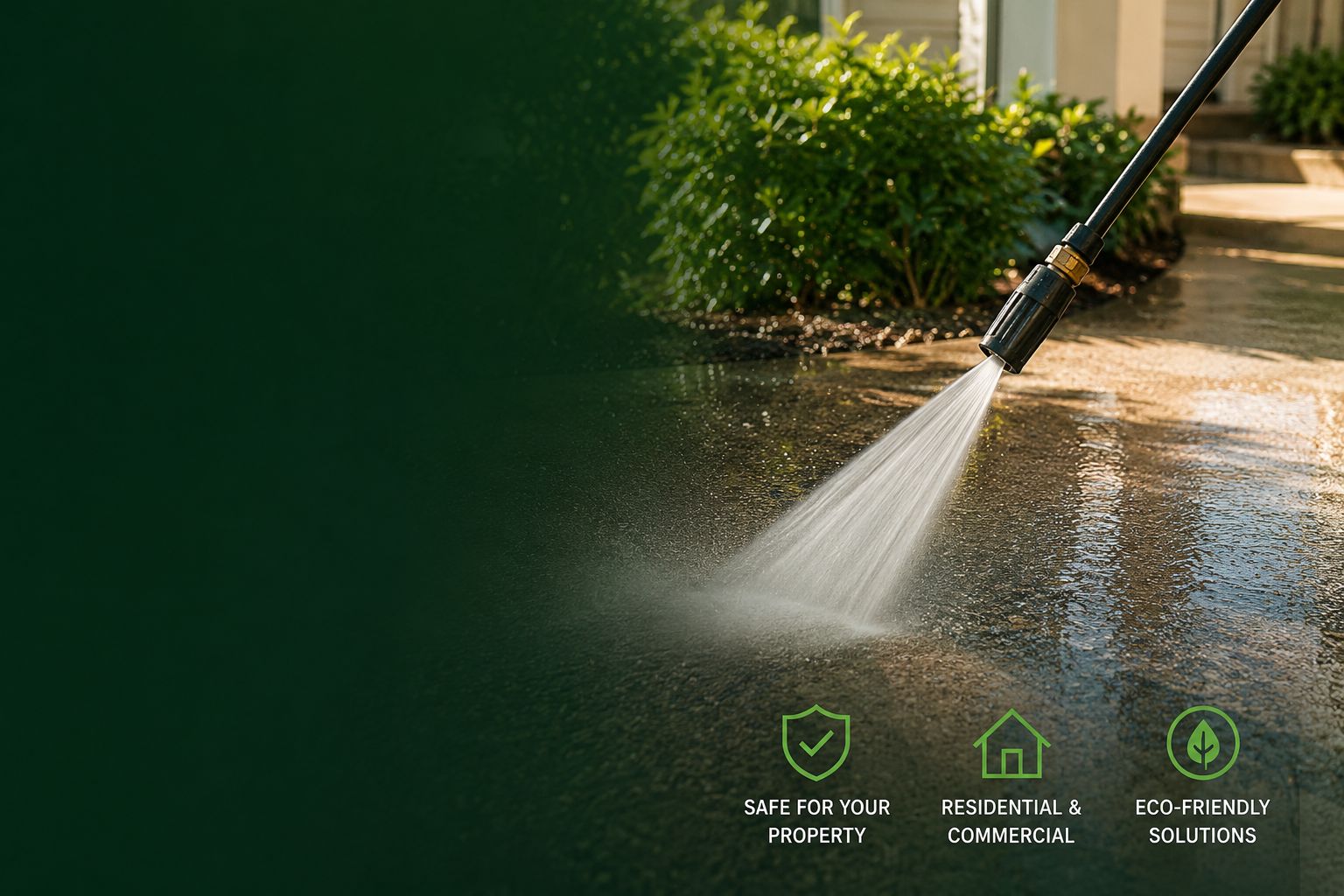
Pavers are one of the most attractive features a home can have. Whether used for driveways, patios, walkways, or pool decks, they add character and curb appeal while creating durable outdoor surfaces. However, Florida’s climate can quickly take a toll on pavers if they aren’t properly maintained.
Cleaning removes the buildup you can see—but sealing helps protect against the damage you can’t.
Why Pavers Get Dirty and Worn Over Time
Pavers are constantly exposed to the elements, and because they are porous, they absorb moisture, dirt, and stains much more easily than many homeowners realize.
Common problems include:
- 🌿 Algae and mildew growth from humidity
- 🍃 Dirt, pollen, and organic debris settling into the surface
- 🌧️ Moisture causing discoloration and erosion
- 🌱 Weeds growing between paver joints
- 🚗 Oil and rust stains from vehicles and outdoor equipment
- ☀️ UV exposure fading the original color of the pavers
Without maintenance, pavers can begin to look dull, uneven, and aged.
Why Professional Paver Cleaning Matters
Pressure washing removes the layers of grime and buildup that make pavers look old and neglected.
Professional cleaning helps:
- Restore the original color and appearance
- Remove algae, mildew, and slippery buildup
- Clear dirt from paver joints
- Prepare the surface for sealing
- Improve the overall look of the property
Many homeowners are surprised by how much brighter and cleaner their pavers look after a professional cleaning.
Why Sealing Is Important After Cleaning
Once pavers are thoroughly cleaned, sealing helps preserve the results and protect the surface from future damage.
Benefits of sealing include:
- ✅ Helps protect against stains and moisture absorption
- ✅ Reduces weed growth between joints
- ✅ Enhances and preserves paver color
- ✅ Makes future cleaning easier
- ✅ Helps stabilize joint sand and reduce erosion
- ✅ Extends the lifespan of the paver surface
Cleaning and sealing together provide both restoration and long-term protection.
Different Types of Paver Sealers
Depending on the look homeowners want, different sealing options are available.
- Natural-look sealers preserve the original appearance while adding protection
- Wet-look sealers enhance color and create a richer finish
The right choice depends on the type of paver and the homeowner’s preference.
How Often Should Pavers Be Sealed
In Florida’s climate, most pavers benefit from sealing every two to four years depending on:
- Sun exposure
- Amount of foot or vehicle traffic
- Moisture levels
- Type of sealer used
Routine maintenance helps keep pavers protected and looking their best year after year.
Protecting Your Outdoor Investment
Pavers are a major investment in your property, and maintaining them properly helps preserve both appearance and durability. Cleaning alone restores the look, but sealing helps keep them protected against the harsh Florida environment.
Together, paver cleaning and sealing provide one of the most effective ways to maintain beautiful outdoor surfaces.
Frequently Asked Questions
Why should pavers be sealed after cleaning?
Sealing helps protect pavers from stains, moisture, fading, and weed growth while preserving their appearance.
How often should pavers be sealed in Florida?
Most pavers should be resealed every two to four years depending on weather exposure and traffic.
Can pressure washing damage pavers?
When done properly using the correct techniques, pressure washing safely cleans pavers without damaging the surface.
Does sealing make pavers slippery?
Most professional sealers are designed to maintain safe traction, though certain finishes may slightly change the texture.
Will sealing enhance the color of pavers?
Yes. Many sealers help deepen and enrich the natural color of the pavers.